
Abstract
Background:
Antibiotics remain an essential component of dental practice for managing serious odontogenic infections and preventing systemic complications. Their overuse, however, contributes to antimicrobial resistance. In Canada, dentists account for more than 10% of all outpatient antibiotic prescriptions, with a substantial proportion considered unnecessary or inconsistent with evidence-based guidelines.
Methods:
This scoping review examined the literature published from 2020 to 2025 concerning antibiotic prescribing and antimicrobial stewardship in Canadian dentistry, with a focus on prescribing patterns, prophylaxis practices, stewardship awareness and policy gaps.
Results:
A total of 23 studies met the inclusion criteria, encompassing systematic reviews, meta-analyses, narrative reviews, cross-sectional surveys and policy documents. The findings revealed high rates of inappropriate prescribing, particularly for irreversible pulpitis, routine prophylaxis in low-risk patients, prolonged treatment duration and disproportionate clindamycin use despite its associated risks. The main factors for inappropriate prescribing were outdated training, reliance on antibiotics as a temporary solution and risk aversion on the part of both dentists and patients. Existing stewardship interventions, such as educational modules, audit and feedback programs, and Choosing Wisely campaigns, have shown promise but are inconsistently implemented.
Conclusions:
This scoping review synthesized recent Canadian evidence on antibiotic use and antimicrobial stewardship in dentistry, providing a consolidated foundation to guide clinical practice, education and policy through coordinated national strategies, standardized education and integrated surveillance.
Keywords:
antibiotic prescribing, antimicrobial stewardship, dentistry, Canada, scoping review
Introduction
Antibiotics are essential to the practice of dentistry. They are used to prevent distant-site infections, such as infective endocarditis, reduce the risk of surgical-site infections and treat serious odontogenic infections. However, overprescription of antibiotics is becoming common in dentistry and is contributing significantly to the global burden of antimicrobial resistance (AMR).1 According to the World Health Organization (WHO), AMR has become a major health threat, and in Canada, dentists account for approximately 10% of all outpatient antibiotic prescriptions.1,2 Furthermore, studies suggest that a significant proportion of these prescriptions may be unnecessary or inconsistent with current guidelines.3 A recent qualitative study found that inappropriate prescribing was due to outdated patterns of practice, the use of antibiotics as a short-term, temporary solution, and a combination of fear and risk aversion.3 The Canadian Dental Association (CDA) conducted a survey on prescribing practices of dentists across Canada in 2017 and found that the practices of most dentists were in accordance with clinical guidelines; however, several concerns emerged, such as overuse of certain antibiotics, confusion about indications for prophylaxis and a lack of awareness of updated guidelines.4 Although the survey had a small sample size and low response rate (n = 1035, representing a response rate of 16.5%),4 it highlighted important gaps in knowledge and practice and emphasized the need for further research into the prescribing behaviour of Canadian dentists.
In Canada, major concerns regarding antibiotic prescribing in dentistry are related to the disproportionate use of clindamycin.5,6 Surveillance studies have shown that dentists are leading contributors to clindamycin prescribing in the community.2 This situation is concerning, given this drug’s strong association with Clostridioides difficile infection, which can lead to mortality, morbidity and significant health system costs.5,6 In addition to concerns about selection of particular agents, patterns of excessive duration of therapy and unnecessary prophylaxis also remain.1 These practices deviate from the recommendations of the CDA, the Office of the Chief Dental Officer of Canada (OCDOC) and international bodies such as the UK National Institute for Health and Care Excellence and the American Heart Association (AHA), all of which advocate for narrow-spectrum agents, short courses of therapy and cautious use of prophylaxis only in narrowly defined, high-risk cases.4,7
Despite repeated calls for antimicrobial stewardship, dentistry in Canada has fallen and remains behind medicine in implementing system-level interventions.3 Hospitals and primary care settings benefit from audit and feedback programs, stewardship teams and national surveillance systems, whereas dentistry lacks equivalent infrastructure.8 More specifically, there are no nationally coordinated mechanisms for monitoring dental use of antibiotics, no requirements for mandatory stewardship training and limited access to clinical decision support tools.4
Given this background, a synthesis of current evidence is needed. This scoping review was designed to evaluate the evidence base, from 2020 onward, concerning antimicrobial stewardship in Canadian dentistry, building on foundational analyses conducted by the CDA7,9 and the Public Health Agency of Canada (PHAC) from 2017 to 2020.2,10-12 While these earlier reports provided insights into dentists’ prescribing practices and guideline adherence, they were limited by small sample sizes, low response rates and lack of integration of recent stewardship interventions or policy developments.4 By synthesizing evidence from 2020 to 2025, including both peer-reviewed studies and grey literature, this review evaluates national opportunities to strengthen antimicrobial stewardship in Canadian dentistry. Specifically, it identifies prescribing patterns and their alignment with guidelines, evaluates the use of prophylaxis, assesses awareness and education regarding stewardship, and highlights opportunities for policy and practice improvement. By mapping this literature, the aim is to inform stakeholders in clinical practice, public health and policy about priorities for stewardship in Canadian dentistry.
Methods
Study design
This review was a scoping review designed to comprehensively capture the available evidence on antimicrobial stewardship in Canadian dentistry. This design was selected because it allows the inclusion of a wide range of study types (e.g., empirical studies, reviews and policy documents) and because it emphasizes mapping and summarizing evidence rather than conducting a meta-analysis. The review followed the PRISMA-ScR (Preferred Reporting Items for Systematic Reviews and Meta-Analyses extension for Scoping Reviews) reporting guideline.
Eligibility criteria
Studies eligible for inclusion were those written in the English language and published from January 2020 to September 2025 concerning antibiotic use and stewardship in Canadian dentistry. We selected this inclusion period to focus on recent evidence reflecting current antibiotic stewardship practices and guideline updates. Searches were conducted across multiple databases using terms related to dental antibiotic prescribing, prophylaxis and antimicrobial stewardship. Although full reproducible search strings were not constructed for all databases, the search approach was designed to capture both peer-reviewed and grey literature focusing on and hence relevant to antibiotic prescribing in Canadian dentistry. International guidelines and systematic reviews were included only if their findings applied to the Canadian context or if they provided a useful basis for comparison with Canadian practices. Eligible study designs included systematic reviews, meta-analyses, randomized and nonrandomized evaluations, cross-sectional surveys, retrospective prescribing analyses, qualitative studies, narrative reviews, and guidelines or policy documents.
Studies were excluded if they were published in a language other than English, were not directly related to dentistry and antimicrobial stewardship, or were published before 2020. Studies that lacked relevance to prescribing practices, such as those addressing only basic microbiology or laboratory resistance mechanisms without clinical context, were also excluded.
Data sources and search strategy
The literature search was performed in September 2025. Searches were conducted in PubMed, the Cochrane Library, ScienceDirect, MEDLINE and Google Scholar. Grey literature was sought from Canadian professional and regulatory organizations, including the CDA, the Royal College of Dental Surgeons of Ontario (RCDSO) and the PHAC. The grey literature was appraised for relevance, credibility and applicability to Canadian dentistry, and documents were included if they addressed antibiotic prescribing practices, stewardship interventions or policy guidance. Documents lacking direct relevance or duplicating published peer-reviewed data were excluded.
The search strategy combined terms for antimicrobial stewardship, antibiotic prescribing and dentistry, restricted to Canada. For instance, the PubMed search used the terms “antimicrobial stewardship” OR “antibiotic stewardship” OR “antibiotic prophylaxis” AND “dentistry” OR “dental” OR “oral health” AND “Canada” OR “Canadian.” Google Scholar returned 2700 results; however, in accordance with PRISMA-ScR guidance for broad grey literature sources, only the first 100 results were screened.
Study selection
After the search results were imported into a reference manager called the Rayyan systematic review management platform, (Rayyan Systems Inc., Cambridge, MA), duplicates were removed. Then, the titles and abstracts were screened for eligibility, followed by full-text review of potentially eligible studies. The screening, assessment for eligibility and study selection were performed independently by a single reviewer (V.G.). Any uncertainties during the screening and selection processes were carefully considered by the reviewer and the coauthor (A.O.) to ensure appropriate inclusion in the review. The PRISMA-ScR flow diagram was used to document the number of records identified, screened, excluded and included, along with reasons for exclusion at each stage.
Data extraction and synthesis
For each included study, the article title, first author, journal title, study design, year of publication and significant findings were charted into a structured table (Table 1). Study selection and data charting were conducted using Rayyan systematic review management platform (Rayyan Systems Inc., Cambridge, MA), which facilitated independent screening, organization and extraction of data. Data extraction was performed by the initial reviewer (V.G.) and independently verified by a second reviewer (A.O.) to ensure accuracy and completeness.
Given the heterogeneity of study types, the data were synthesized narratively. The findings were grouped into 4 thematic domains: prescribing patterns and deviations from guidelines, prophylaxis practices, awareness and stewardship education, and surveillance and policy recommendations. In line with scoping review methodology, no formal risk-of-bias appraisal was conducted. Instead, a descriptive assessment of methodological strengths and limitations was performed.
|
Title |
Author |
Journal |
Study design |
Year of publication |
Significant findings |
|---|---|---|---|---|---|
| Is there a role for antibiotic prophylaxis prior to dental procedures in patients with total joint arthroplasty? A systematic review of the literature13 | Slullitel et al. | Journal of Bone and Joint Infection | Systematic review | 2020 | Although the systematic review included mostly low-quality studies, it suggested that there was no direct evidence supporting prophylactic antibiotics before dental procedures in patients with total joint arthroplasty. |
| Prescriber-led practice changes that can bolster antimicrobial stewardship in community health care settings14 | Leis et al. | Canada Communicable Disease Report | Commentary/ descriptive report |
2020 | Antibiotics are frequently overused, and the Using Antibiotics Wisely campaign highlights the need for collaborative, evidence-based tools to support more appropriate prescribing. Ongoing evaluation of the campaign will determine its broader impact on patient outcomes and antibiotic use. |
| Infective endocarditis and orthodontic implications in children: A review of the literature15 | Vandersluis et al. | American Journal of Orthodontics and Dentofacial Orthopedics | Narrative review | 2020 | Limited evidence links orthodontic procedures (e.g., placement of separators or bands or removal of expanders) to bacteremia and potential risk of infective endocarditis; therefore, invasive elective procedures in at-risk cardiac patients should be avoided, with decisions guided by recommendations from the American Heart Association and cardiologist input. |
| Antibiotic prophylaxis for implant placement: A systematic review of effects on reduction of implant failure16 | Kim et al. | British Dental Journal | Systematic review | 2020 | Administering prophylactic antibiotics reduced the risk of implant failures. Further investigations were recommended to establish a standardized protocol for the proper use of antibiotic regimens. |
| Defining appropriate antibiotic prescribing in primary care: A modified Delphi panel approach17 | Wu et al. | Journal of the Association of Medical Microbiology and Infectious Disease Canada | Modified Delphi panel approach | 2020 | This study resulted in expert consensus for defined levels of appropriate antibiotic prescribing across a broad set of outpatient conditions. These results can be applied to community antimicrobial stewardship initiatives to investigate the level of inappropriate use and set targets to optimize antibiotic use. |
| Antimicrobial stewardship in dental practice18 | Teoh et al. | Journal of the American Dental Association | Narrative review | 2020 | Regarding the establishment of an antimicrobial stewardship strategy, aspects to be considered should include raising awareness about the risks of unnecessary use of antibiotics. Engaging and educating the entire dental team and patients, as well as collaborating with other specialized professionals, are also important elements. Context-specific interventions with a methodical and measured approach are ideal. |
| Canada's oral health professionals and antimicrobial stewardship4 | Office of the Chief Dental Officer | Canada Communicable Disease Report | Narrative review | 2020 | A large proportion of dental antibiotic prescriptions in Canada are unnecessary, with usage rising despite guidelines, which underscores gaps in stewardship and adherence to best practices. |
| Comparison of dental antibiotic prescribing between Australia, England, the United States and British Columbia in 2017 [abstract]19 | Teoh et al. | Open Forum Infectious Diseases | Cross-sectional study | 2020 | Dentists in the Unted States, England and British Columbia prescribed at relatively higher rates than those in Australia. The findings should initiate an evaluation by dentists of their prescribing practices and responsibilities regarding their contribution toward antibiotic resistance. Further investigations could be designed to determine country-specific factors that influence dental antibiotic prescription. |
| Population-based assessment of antibiotics prescribing by dentists in Manitoba - A longitudinal analysis20 | Quach et al. | University of Manitoba | Longitudinal analysis | 2021 | Dental prescribing of antibiotics in Manitoba was stable but higher than national averages, with some indications of increased use of broad-spectrum antibiotics. These findings contrasted with a significant decline in overall antibiotic prescribing by physicians. |
| Patterns of dental antibiotic prescribing in 2017: Australia, England, United States, and British Columbia (Canada)21 | Thompson et al. | Infection Control & Hospital Epidemiology | Cross-sectional and observational | 2022 | Dentists in the United States had the highest antibiotic prescribing rates, whereas those in Australia had the lowest. Across all countries, amoxicillin was most commonly prescribed, but clindamycin (in the United States and Canada) and metronidazole (in Australia and England) were frequent second-line choices, highlighting global opportunities to improve dental antibiotic stewardship, especially regarding clindamycin and broad-spectrum agents. |
| Oral healthcare disparities in Canada: Filling in the gaps22 | Levy et al. | Canadian Journal of Public Health | Commentary/ descriptive report |
2022 | This paper highlighted persistent inequities in access to dental care among vulnerable populations in Canada, emphasizing the need for stronger physician advocacy, collaboration with dentists and policy-makers, and sustained federal support to ensure equitable oral health services. |
| Moving the needle on dental antibiotic overuse in Canada post COVID-1923 | Sutherland et al. | Canada Communicable Disease Report | Narrative review | 2022 | Dentists prescribe about 10% of antibiotics globally, with up to 80% deemed unnecessary, and prescribing likely increased during the COVID-19 pandemic. The review emphasized the urgent need for antimicrobial stewardship in Canadian dentistry, including a national prescription database, monitoring and educational initiatives. |
| Awareness regarding antimicrobial resistance and confidence to prescribe antibiotics in dentistry: A cross-continental student survey24 | Bajalan et al. | Antimicrobial Resistance and Infection Control | Cross-continental student survey | 2022 | There is a need to revisit dental education on antibiotic resistance with a global perspective and to create more stewardship initiatives that promote awareness on the topic. |
| Bacteremia following different oral procedures: Systematic review and meta-analysis25 | Martins et al. | Oral Diseases | Systematic review and meta-analysis | 2024 | Bacteremia peaked within 5 minutes after procedures, with the highest incidence following extractions (62%–66%), followed by Scaling and Root Planning (36%–44%) and Oral Hygiene Products (27%–28%). Daily activities like toothbrushing and chewing caused bacteremia less frequently (8%–26%). |
| Advanced antimicrobial and anti-infective strategies to manage peri-implant infection: A narrative review26 | Li et al. | Dentistry Journal | Narrative review | 2024 | Biofilm-driven infections are a major risk in implant therapy; novel strategies such as implant surface modifications and immune modulation may help, but long-term in vivo studies are needed. |
| Dental antimicrobial stewardship: a qualitative study of perspectives among Canadian dentistry sector leaders and experts in antimicrobial stewardship3 | Martine et al. | JAC-Antimicrobial Resistance | Qualitative study | 2024 | This study presented a roadmap for behavioural change in dental antibiotic prescribing and pointed to the fact that the success of an actionable stewardship plan for Canadian dentistry may depend more on concerted efforts for change than on the creation of novel strategies. |
| A systematic review of dental antibiotic stewardship interventions1 | Teoh et al. | Community Dentistry and Oral Epidemiology | Systematic review | 2024 | High-certainty evidence from the included trials showed that audit with personalized feedback (individualized behaviour-change messages) reduced the quantity of antibiotics prescribed; evidence for in-person education was of low certainty, guideline dissemination alone was ineffective, and no trials reported patient-reported or adverse outcomes. |
| Reevaluating antibiotic prophylaxis: Insights from a network meta-analysis on dry socket and surgical site infections27 | Rojhanian et al. | Evidence Based Dentistry | Meta-analysis | 2024 | Despite the fact that antibiotic prophylaxis reduces the risk of dry socket and surgical site infection, the authors recommended that practitioners consider systemic conditions and individual patient risk factors before prescribing antibiotics, due to the global health threat. |
| Dental antibiotic use in British Columbia from 1996 through 2023: Are we backsliding?28 | Stenlund et al. | Journal of the American Dental Association | Population-based retrospective analysis with interrupted time series regression | 2025 | Dental antibiotic prescribing in British Columbia was decreasing before COVID-19 but spiked during the pandemic and has remained elevated, with most prescriptions converging to a 7-day duration. |
| Audit and feedback interventions for antibiotic prescribing in primary care: A systematic review and meta-analysis29 | Xu et al. | Clinical Infectious Diseases | Systematic review and Meta-analysis | 2025 | Audit and feedback interventions reduced antibiotic prescribing in primary care. However, heterogeneity was substantial, outcome definitions were not standardized across the trials, and intervention fidelity was not consistently assessed. |
| Antimicrobials in endodontics: A review of the indications and contraindications in the battle against antimicrobial resistance30 | Muller et al. | Journal of the California Dental Association | Narrative review | 2025 | In the field of endodontics, antibiotics are effective only in cases of systemic involvement or diffuse infection, whereas routine use for conditions like irreversible pulpitis or localized abscesses is inappropriate and contributes to antimicrobial resistance. Overprescription stems from lack of guidelines, inadequate education and patient pressure, highlighting the urgent need for stewardship and curriculum reform. |
| Antimicrobial use in implant therapy: Is it necessary?31 | Radovic and Ouanounou | Compendium of Continuing Education in Dentistry | Narrative review | 2025 | The role of antibiotics in implant therapy remains unclear. While they may improve implant durability and treat peri-implantitis, evidence on prophylactic benefit and prescribing guidelines is inconsistent, highlighting the need for clearer criteria and further research. |
| Antimicrobial resistance in oral healthcare: A growing concern in dentistry32 | Farzinnia et al. | Dentistry Journal | Narrative review | 2025 | Dental unit waterlines, dentures and orthodontic appliances are underrecognized reservoirs for multidrug-resistant microorganisms, which persist in biofilms and contribute to the transmission of antimicrobial resistance in dental settings. Stronger infection control measures, antimicrobial stewardship programs and education are needed to address this risk. |
Results
Search results
The database and grey literature searches yielded a total of 2854 records: 122 from PubMed, 2700 from Google Scholar, 2 from the Cochrane Library, 1 from ScienceDirect and 29 from MEDLINE. After removal of 52 duplicates and limiting Google Scholar results to the first 100 documents, 202 records were advanced to screening. Of these, 173 were excluded: 43 were not related to dentistry, 78 were not based in Canada, 51 were published before 2020, and one was not in English. This left 29 studies for full-text review. All 29 reports were successfully retrieved. Six were excluded for insufficient relevance to antibiotic prescribing in dentistry, which left 23 studies for inclusion in the final review (Figure 1).
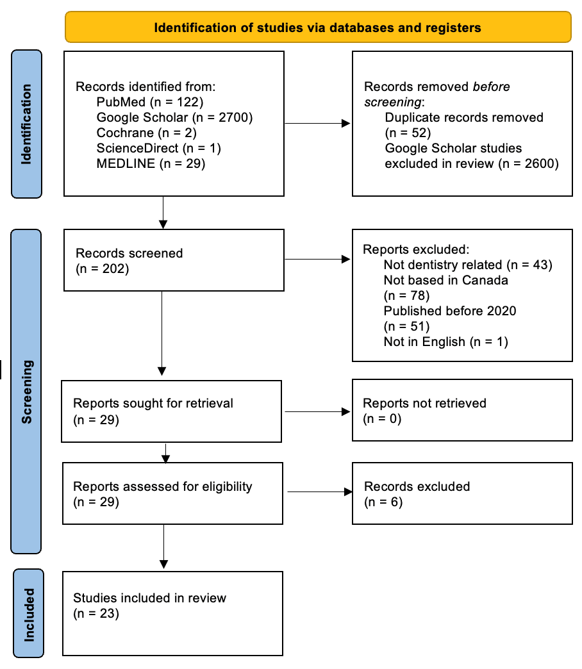
Figure 1: PRISMA flow diagram of study identification, screening and inclusion.
Study characteristics
Various study designs were represented: 8 narrative reviews, 3 systematic reviews without meta-analysis, 3 systematic reviews with meta-analysis, 3 survey/cross-sectional studies, 2 commentary/descriptive reports, and single studies using qualitative, retrospective (population-based with interrupted time series), longitudinal and modified Delphi designs. Most studies were conducted by Canadian researchers or organizations, with several studies focusing specifically on provincial or national prescribing trends. The journals of publication included Infection Control & Hospital Epidemiology, Canada Communicable Disease Report, the Journal of the American Dental Association, the British Dental Journal and the Dentistry Journal. In addition, the review included policy and guideline documents produced by national bodies such as the OCDOC, the CDA and the PHAC, reflecting the importance of stewardship at both clinical and policy levels.
Thematic analysis yielded 4 key themes: prescribing patterns and guideline alignment, prophylaxis practices, awareness and stewardship education, and surveillance and policy.
Prescribing patterns and guideline alignment
A consistent finding across studies was that dental antibiotic prescribing in Canada often deviates from guideline recommendations. A large-scale retrospective analysis indicated that up to two-thirds of dental antibiotic prescriptions were inappropriate or inconsistent with guideline criteria.28 Prescriptions were frequently issued for conditions such as irreversible pulpitis, localized periapical abscesses without systemic involvement and postoperative pain, all of which can typically be managed operatively without systemic antibiotics.18,33 Another recurrent issue was inappropriate duration of therapy. Guidelines typically recommend a short course of 3 to 5 days when antibiotics are required; however, many studies reported prescriptions extending to 7 or even 10 days.4,23 This pattern increases the risk of AMR without improving clinical outcomes. Finally, agent selection was another recurrent problem. The use of clindamycin was notably high, despite its being recommended only for rare cases of severe β-lactam allergy.5,6 Its continued use is particularly concerning given the strong association between clindamycin and C. difficile infection, a risk highlighted in multiple Canadian studies; azithromycin is recommended as a safer alternative.5,6
Prophylaxis practices
Several studies and guideline documents focused on prophylaxis. Despite updated recommendations limiting antibiotic prophylaxis to narrowly defined, high-risk groups (specifically, patients with certain cardiac conditions, such as infective endocarditis), dentists frequently prescribe prophylaxis more broadly. For example, patients with prosthetic joints were often given antibiotics before invasive dental procedures, even though current evidence does not support this practice.9,13 Prophylaxis was also prescribed for patients at low or no risk for infective endocarditis.7,15,25 These findings highlight a persistent gap between guidelines and practice, emphasizing the need for better communication and education so that dentists can follow guidelines more consistently.
Awareness and stewardship education
Survey studies consistently found gaps in knowledge and awareness among Canadian dentists and dental students regarding stewardship principles. Many respondents reported uncertainty about appropriate indications for antibiotic use and lacked confidence in applying guidelines.3,14 To close this gap and realize improvements in practice, educational interventions, such as concise guideline summaries and structured continuing professional development, are needed.34,35 The few stewardship interventions that have been tested specifically in dentistry have shown promise, but evidence from medical settings has demonstrated that audit and feedback programs significantly improve prescribing practices.8,29 A Canadian pilot study demonstrated that concise prescribing tools improved adherence to guidelines,34 while professional commentary has emphasized the value of integrating stewardship into continuing professional development and daily workflows.35
Surveillance and policy
Policy reports highlighted the absence of national surveillance systems capable of monitoring antibiotic prescribing specifically in Canadian dentistry. Current data are incohesive, relying on pharmacy or insurance claims databases that provide limited detail about clinical indications.23 Multiple Canadian reports have called for the inclusion of dental prescribing data in national AMR surveillance frameworks.2,14,36 There was also consensus on the need to standardize guidelines and ensure their wide distribution across all Canadian provinces and territories. Embedding stewardship education into dental curricula, implementing prescribing audits and developing interprofessional collaborations with pharmacists and physicians were identified as essential strategies to support appropriate prescribing.4,11
Quality assessment
The quality of the included studies varied by design. National prescribing analyses and surveys provided broad coverage but were limited by lack of clinical indication data or by self-reporting bias. Single-province studies provided valuable detail but had limited generalizability. Guideline and policy documents were authoritative but descriptive in nature. Overall, the evidence base was judged to be sufficient to identify consistent themes, despite methodological variability.
Discussion
This review has gathered the current evidence on antibiotic prescribing and stewardship and what it means for Canadian dentistry. Here, we discuss the findings in terms of 4 broad topics—adherence to current guidelines, the reasons for inappropriate prescribing, stewardship interventions, and knowledge gaps and future needs—to identify the key areas that need attention.
Topic 1: Adherence to current guidelines
In Canadian dentistry, antibiotic prescribing shows partial alignment with national and international guidelines, but major gaps persist. For prophylaxis in infective endocarditis, the CDA follows the AHA in recommending antibiotics only for patients at the highest risk of adverse outcomes, such as those with prosthetic cardiac valves, a history of endocarditis or certain congenital heart conditions7 (Table 2). These recommendations are based on strong evidence that the risks of prophylactic antibiotics, including adverse effects and promotion of AMR, outweigh the benefits for most patients. However, prescribing patterns remain inconsistent. Studies by Muller and Ouanounou5,6,30 have emphasized replacing clindamycin with azithromycin for patients with true β-lactam allergy, given azithromycin’s safety profile and reduced risk of cross-reactivity.
| Antibiotic prophylaxis is required |
| Prosthetic cardiac valve or repair |
| History of infective endocarditis |
| Cardiac transplant that develops a problem in a heart valve |
| Specific, serious unrepaired congenital heart condition |
| Cellulitis or deep-space infections |
| Acute bacterial sinusitis of odontogenic origin |
| Antibiotic prophylaxis is not required |
| Mitral valve prolapse |
| Rheumatic heart disease |
| Bicuspid valve disease |
| Calcified aortic stenosis |
| Specific congenital heart conditions such as ventricular septal defect, atrial septal defect and hypertrophic cardiomyopathy |
| Joint replacement (usually not recommended) |
| Routine dental procedures in healthy patients (scaling, restorations, extractions, root canal treatment, implants) |
Currently, one of the most debated issues is prophylaxis for patients with total joint replacements. Position statements from the Canadian Orthopedic Association, the CDA and the Association of Medical Microbiology and Infectious Disease Canada have concluded that routine prophylaxis is not supported by current evidence and exposes patients to unnecessary risks.9 Nonetheless, antibiotics are still frequently prescribed before dental procedures in these patients, reflecting variability in awareness and adoption of guidelines. Ultimately, the care of all patients, including those with prosthetic joints, should be managed through elimination of oral infection sources and long-term maintenance of good oral health, instead of routine antibiotic coverage.
National summaries indicate that dentists accounted for 11.7% of all outpatient antibiotic prescriptions in 2021, with a 5.7% increase from 2017 to 2021.2 Toolkits such as Taking the Bite Out of Tooth Pain,33 developed by Choosing Wisely Canada and endorsed by the CDA and the RCDSO, encourage operative management instead of routine antibiotic use for odontogenic pain. Although adherence to guidelines appears better when systemic involvement is clear, as in cases of fever, cellulitis or spreading infection, up to 80% of prescriptions may still be clinically unjustified, especially for conditions like irreversible pulpitis, which should be treated operatively.2,23,36 This variability highlights the lack of consistent surveillance and standardized stewardship programs across Canada.
Topic 2: Reasons for inappropriate prescribing
Multiple factors contribute to dentists’ decisions to prescribe antibiotics outside of recommended guidelines, ranging from knowledge gaps to systemic pressures. One of the factors is outdated patterns and habitual practice. Outdated patterns refer to the continuation of obsolete beliefs and habits that are no longer backed up by scientific evidence.23 Such patterns are common among dentists who trained under older guidelines and among patients who are accustomed to receiving antibiotics for conditions like joint replacement prophylaxis. These patterns persist because habits are difficult to break and are reinforced by gaps in continuing education, limited standardization in the dental curriculum and inconsistent clinical teaching.23 Studies have shown that dentists often prioritize continuing education courses on financial topics over those on antimicrobial stewardship, such that the knowledge fails to reach those who need it most.23 Even within dental schools, stewardship content is inconsistently taught and does not always translate into practice, with some instructors recommending antibiotics unnecessarily. Without mandatory, standardized education and clear guidelines, outdated patterns remain unchallenged, highlighting the need for better training strategies and further research to close this gap.
Dentists sometimes prescribe antibiotics as a short-term temporary solution rather than as definitive treatment. This may occur when patients cannot immediately access care, when referral to a specialist is needed, when treatment is delayed due to scheduling or cost barriers, or when infection is already advanced.3 In these situations, antibiotics are often used to “buy time,” even though they are not clinically necessary. Patient pressure can further reinforce this practice, with dentists feeling obligated to offer a prescription as a visible intervention. Furthermore, in rural and remote areas, limited access to dental care can lead patients to consult physicians, who may lack dental expertise and may prescribe antibiotics as a substitute measure.12 Addressing this issue requires clearer guidelines and better education not only for dentists but also for physicians, to ensure that both groups understand when antibiotics are truly warranted.
Dentists often prescribe antibiotics because they are fearful of negative outcomes, particularly when faced with diagnostic uncertainty.23 Experienced practitioners who have encountered severe infections may prioritize avoiding complications over concerns about AMR. Some also prescribe defensively to reduce perceived legal risk, believing that the consequences of prescribing are less severe than the consequences of failing to act. Since adverse outcomes from AMR often occur outside the dental setting, dentists may not see the harm directly, which reinforces this mindset. Patients’ fear also plays a role, as many prefer filling a prescription to undergoing a treatment. This mutual risk aversion, by both dentists and patients, drives unnecessary prescribing and compromises stewardship.
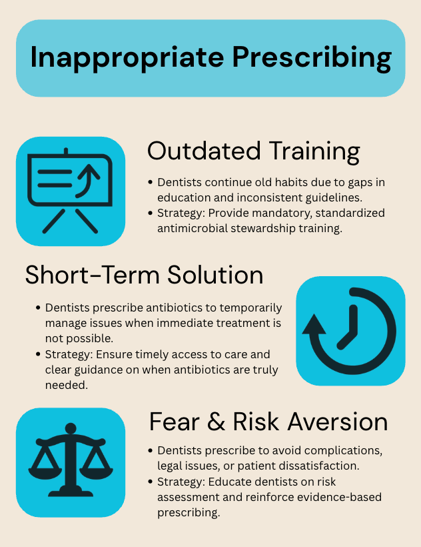
Figure 2: Reasons for and strategies to address inappropriate prescribing.
Topic 3: Stewardship interventions
Several initiatives have been introduced in Canada to improve antibiotic prescribing in dentistry, although their scope and effectiveness remain variable. Current strategies include educational programs, audit and feedback mechanisms, decision-support tools and public health campaigns. The CDA has committed to the World Dental Federation’s antimicrobial stewardship initiative, which emphasizes awareness and education, infection prevention and the optimization of antibiotic use.23 National organizations, including PHAC, have helped to advance this agenda and support continuing education modules on AMR.12 PHAC also partnered with Choosing Wisely Canada to launch, in 2017, Using Antibiotics Wisely, a campaign that produced practical tools such as delayed prescriptions, educational posters and a viral prescription pad.14,23,33 In Ontario, the RCDSO has developed an online stewardship toolkit12 with continuing education credits. Sutherland and Fulop35 noted that Canadian researchers have been studying the implementation of this toolkit and its effectiveness in practice, have received grants to develop an antimicrobial stewardship education strategy in Canadian dental schools and have been exploring ways to obtain data on prescribing dental antibiotics. Audit and feedback programs have shown promise in medical practice, improving prescribing through tailored peer comparators and credible, timely reporting.8 Although not fully implemented in dentistry, these interventions could help standardize practice and reduce inappropriate prescribing.
At the policy level, the PHAC’s Pan-Canadian Action Plan on Antimicrobial Resistance outlines objectives to optimize prescribing, monitor use and strengthen public awareness.11 It also highlights digital tools like Firstline, a Vancouver-based decision-support app developed with the WHO, which could be adapted for dentistry. Despite these advances, implementation remains inconsistent and evidence of effectiveness in dental practice is limited, underscoring the need for stronger integration of stewardship across the profession.
Topic 4: Knowledge gaps and future needs
Despite growing attention to antibiotic stewardship in dentistry, Canada continues to face major gaps in research, surveillance, clinical guidance and policy. These gaps limit progress in reducing inappropriate prescribing. The Centers for Disease Control and Prevention (CDC) Core Elements of Outpatient Antibiotic Stewardship provides a framework, which includes commitment, action, tracking and education, that can be applied to dentistry to highlight areas of progress and reveal where deficiencies remain.37
Commitment in Canada is visible through initiatives such as the Pan-Canadian Action Plan on Antimicrobial Resistance and position statements from national and provincial organizations. However, dentistry lacks a unified national stewardship strategy with measurable objectives, timelines and accountability. Unlike hospital medicine, where stewardship is mandated, dentistry mainly operates in private practice, where there are no formal requirements.23
Action for policy and practice has been limited. Existing measures, including Choosing Wisely Canada recommendations, provincial education modules and small-scale audit programs, have had minimal impact. Clinical audits outside Canada have reduced inappropriate prescribing by up to 70%, showing strong potential if adapted nationally.38 Canada-wide implementation, however, would require coordinated funding, technology integration and regulatory alignment.
Tracking and reporting remain the weakest elements. Although PHAC’s Canadian Antimicrobial Resistance Surveillance System tracks broad community use, it excludes dentistry.10 Some provinces, such as Ontario and British Columbia, provide linked datasets, but they differ in methodology, are inconsistently updated and are not easily accessible. Without national, standardized tools or dashboards, inappropriate prescribing often goes unnoticed, particularly in private dental settings.23,39
Education and expertise also show gaps. Although some dental schools teach stewardship principles and some provinces offer optional continuing education, there is no requirement for ongoing training linked to licensure. Additionally, many dentists, especially in rural settings, lack access to stewardship experts. Canada does not have a central resource hub offering clinical decision aids or professional support. An Australian pilot study showed that targeted education and prescribing tools improved dentist’ knowledge, confidence and prescribing behaviours, highlighting a model that could be implemented in Canada.21,39
Strengths and limitations
This review had several strengths, including its focus on recent literature from Canada, coverage of both peer-reviewed and grey literature, and a comprehensive examination of multiple study designs. Limitations included restriction to English-language publications, potential omission of unpublished or nonindexed studies, and reliance on a single reviewer for study selection. Future research should aim to expand surveillance of dental antibiotic prescribing across Canada, evaluate the effectiveness of stewardship interventions in diverse practice settings and explore standardized approaches to integrating antimicrobial stewardship into dental education and clinical workflows. Despite these limitations, the scoping approach allowed comprehensive mapping of the available evidence on antimicrobial stewardship in Canadian dentistry.
Conclusion
Overall, application of the CDC framework reveals that Canada lacks a coordinated and effective dental stewardship system. This scoping review demonstrates that while progress has been made in understanding and addressing antibiotic prescribing in Canadian dentistry, important gaps remain in both practice and policy. Adherence to clinical guidelines is inconsistent; inappropriate prescribing persists due to outdated habits, systemic pressures and risk aversion; and existing stewardship interventions have yet to be implemented at a scale that would meaningfully change practice. Mapping these gaps to the CDC Core Elements of Outpatient Antibiotic Stewardship highlights areas for improvement in Canada. Commitment is seen in initiatives such as the Pan-Canadian Action Plan on Antimicrobial Resistance, but dentistry lacks a unified national strategy. Action and tracking are limited, as audit programs are inconsistently implemented, and dental prescribing is largely excluded from national surveillance. Education remains incomplete, with stewardship content inconsistently integrated into dental curricula and optional continuing professional development not tied to licensure requirements. The absence of national surveillance, standardized audits and mandatory education requirements further limits Canada’s ability to prevent unnecessary antibiotic use in dentistry. Collectively, these findings highlight the urgent need for a coordinated, multilevel strategy that embeds stewardship into dental education, clinical decision-making and professional regulation. By strengthening education, expanding access to decision-support tools and implementing national surveillance and accountability mechanisms, Canadian dentistry can align more closely with best practices, reduce unnecessary antibiotic exposure and contribute meaningfully to global efforts against AMR.
THE AUTHORS
 |
Mr. Gupta is a fourth-year dental student, faculty of dentistry, University of Toronto, Toronto, Ontario. |
 |
Dr. Ouanounou is associate professor of pharmacology and preventive dentistry, faculty of dentistry, University of Toronto, Toronto, Ontario. |
Corresponding author: Dr. Aviv Ouanounou, Faculty of Dentistry, University of Toronto, 124 Edward Street, Toronto, ON, M5G 1G6 Aviv.Ouanounou@dentistry.utoronto.ca
The authors have no declared financial interests.
This article has been peer reviewed.
References
- Teoh L, Löffler C, Mun M, Agnihotry A, Kaur H, Born K, et al. A Systematic Review of Dental Antibiotic Stewardship Interventions. Community Dent Oral Epidemiol. 2025 Jun;53(3):245–55. Available from: https://doi.org/10.1111/cdoe.13009
- Alexandre S, Niragira O, Abdesselam K, Shurgold J, Lary T, Sheppard D. Public Health Agency of Canada. Canadian antimicrobial resistance surveillance system report 2022 [Internet]. Ottawa (ON): Public Health Agency of Canada; 2022. Available from: https://www.canada.ca/en/public-health/services/publications/drugs-health-products/canadian-antimicrobial-resistance-surveillance-system-report-2022.html. (Accessed August 15, 2025).
- Martine C, Sutherland S, Born K, Thompson W, Teoh L, Singhal S. Dental antimicrobial stewardship: a qualitative study of perspectives among Canadian dentistry sector leaders and experts in antimicrobial stewardship. JAC-Antimicrob Resist. 2024 Jun;6(3):dlae082. Available from: https://doi.org/10.1093/jacamr/dlae082
- Office of the Chief Dental Officer. Canada’s oral health professionals and antimicrobial stewardship. Can Commun Dis Rep. 2020;46(11-12):376-9. doi:10.14745/ccdr.v46i1112a02. Available from: https://www.canada.ca/en/public-health/services/reports-publications/canada-communicable-disease-report-ccdr/monthly-issue/2020-46/issue-11-12-november-5-2020/antimicrobial-stewarship-oral-health-professionals.html
- Muller D, Ouanounou A. Azithromycin is the safer choice. [letter]. Ont Dent J Ont Dent Assoc. 2025;100(6):10. 93(4):10. Available from: https://online.flippingbook.com/view/1425468/10/.
- Muller D, Ouanounou A. Should we start prescribing azithromycin over clindamycin? J Ont Dent Assoc. 2024 Dec;92(11):20–21. Available from: https://online.flippingbook.com/view/999713655/20/.
- Canadian Dental Association. CDA position on antibiotic prophylaxis for infective endocarditis [Internet]. Ottawa (ON): Canadian Dental Association. 2007 Nov [revised 2024 Feb]. Available from: https://www.cda-adc.ca/en/about/position_statements/infectiveendocarditis/. (Accessed August 15, 2025).
- Vanstone JR, Patel S, Berry W, Degelman ML, Hanson C, Phillips C, et al. Using audit and feedback to encourage primary healthcare prescribers to record indications for antimicrobial prescriptions: a quality improvement initiative. BMJ Open Qual. 2022 Mar;11(1):e001760. Available from: https://doi.org/10.1136/bmjoq-2021-001760
- Canadian Dental Association. Consensus statement: Dental patients with total joint replacement. Ottawa (ON): Canadian Dental Association, 2016. Available from: https://www.cda-adc.ca/en/about/position_statements/jointreplacement/. (Accessed August 15, 2025).
- Niragira O, Shurgold J, Pelude L, Carson C, Brooks J, et al. Public Health Agency of Canada. Canadian antimicrobial resistance surveillance system report 2021 [Internet]. Ottawa (ON): Public Health Agency of Canada; 2021. Available from: https://www.canada.ca/content/dam/phac-aspc/documents/services/publications/drugs-health-products/canadian-antimicrobial-resistance-surveillance-system-report-2021/canadian-antimicrobial-resistance-surveillance-system-report-2021.pdf. (Accessed August 15, 2025).
- Public Health Agency of Canada. Pan-Canadian action plan on antimicrobial resistance [Internet]. Ottawa (ON): Public Health Agency of Canada; 2023. Available from: https://www.canada.ca/en/public-health/services/publications/drugs-health-products/pan-canadian-action-plan-antimicrobial-resistance.html. (Accessed August 15, 2025).
- Public Health Agency of Canada. Handle with care: preserving antibiotics now and into the future. Chief public health officer of Canada’s 2019 spotlight report. Ottawa (ON): Public Health Agency of Canada; 2019. Available from: https://www.canada.ca/content/dam/phac-aspc/documents/corporate/publications/chief-public-health-officer-reports-state-public-health-canada/preserving-antibiotics/Final_CPHO_Report_EN_June6_2019.pdf. (Accessed August 15, 2025).
- Slullitel PA, Oñativia JI, Piuzzi NS, Higuera-Rueda C, Parvizi J, Buttaro MA. Is there a Role for Antibiotic Prophylaxis Prior to Dental Procedures in Patients with Total Joint Arthroplasty? A Systematic Review of the Literature. J Bone Jt Infect. 2020;5(1):7–15. Available from: https://doi.org/10.7150/jbji.40096
- Leis JA, Born KB, Ostrow O, Moser A, Grill A. Prescriber-led practice changes that can bolster antimicrobial stewardship in community health care settings. Can Commun Dis Rep. 2020 Jan 2;46(1):1–5. Available from: https://doi.org/10.14745/ccdr.v46i01a01
- Vandersluis YR, Suri S. Infective endocarditis and orthodontic implications in children: A review of the literature. Am J Orthod Dentofac Orthop 2020 Jan;157(1):19–28. Available from: https://doi.org/10.1016/j.ajodo.2019.03.027
- Kim AS, Abdelhay N, Levin L, Walters JD, Gibson MP. Antibiotic prophylaxis for implant placement: a systematic review of effects on reduction of implant failure. Br Dent J. 2020 Jun;228(12):943–51. Available from: https://doi.org/10.1038/s41415-020-1649-9
- Wu JHC, Langford B, Ha R, Garber G, Daneman N, Johnstone J, et al. Defining appropriate antibiotic prescribing in primary care: A modified Delphi panel approach. J Assoc Med Microbiol Infect Dis Can. 2020 Jun;5(2):61–9. Available from: https://doi.org/10.3138/jammi.2019-0023
- Teoh L, Thompson W, Suda K. Antimicrobial stewardship in dental practice. J Am Dent Assoc 1939. 2020 Aug;151(8):589–95. Available from: https://doi.org/10.1016/j.esmoop.2020.04.023
- Teoh L, Thompson W, Hubbard C, Patrick DM, Marra F, Mamun AA, et al. 221. Comparison of dental antibiotic prescribing between Australia, England, the United States and British Columbia in 2017 [abstract]. Open Forum Infect Dis. 2020 Dec 31;7(Supplement_1):S112–S112. Available from https://doi.org/10.1093/ofid/ofaa439.2
- Quach, A., Friesen, K., Falk, J., Schroth, R., Bugden, S. (2021). Population-based Assessment of Antibiotics Prescribing by Dentists in Manitoba – A Longitudinal Analysis. University of Manitoba. Available from: http://hdl.handle.net/1993/36531. (Accessed September 24, 2025).
- Thompson W, Teoh L, Hubbard CC, Marra F, Patrick DM, Mamun A, et al. Patterns of dental antibiotic prescribing in 2017: Australia, England, United States, and British Columbia (Canada). Infect Control Hosp Epidemiol. 2022 Feb;43(2):191–8. Available from: https://doi.org/10.1017/ice.2021.87
- Levy BB, Goodman J, Eskander A. Oral healthcare disparities in Canada: filling in the gaps. Can J Public Health Rev. 2023 Feb;114(1):139–45. Available from: https://doi.org/10.17269/s41997-022-00692-y
- Sutherland S, Born K, Singhal S. Moving the needle on dental antibiotic overuse in Canada post COVID-19. Can Commun Dis Rep Releve Mal Transm Au Can. 2022 Nov 3;48(11–12):502–5. Available from: https://doi.org/10.14745/ccdr.v48i1112a02
- Bajalan A, Bui T, Salvadori G, Marques D, Schumacher A, Rösing CK, et al. Awareness regarding antimicrobial resistance and confidence to prescribe antibiotics in dentistry: a cross-continental student survey. Antimicrob Resist Infect Control. 2022 Dec 11;11(1):158. Available from: https://doi.org/10.1186/s13756-022-01192-x
- Martins CC, Lockhart PB, Firmino RT, Kilmartin C, Cahill TJ, Dayer M, et al. Bacteremia following different oral procedures: Systematic review and meta-analysis. Oral Dis. 2024 Apr;30(3):846–54. Available from: https://doi.org/10.1111/odi.14531
- Li Y, Stewart CA, Finer Y. Advanced Antimicrobial and Anti-Infective Strategies to Manage Peri-Implant Infection: A Narrative Review. Dent J. 2024 May 6;12(5):125. Available from: https://doi.org/10.3390/dj12050125
- Rojhanian T, Sofi-Mahmudi A, Vahdati A. Reevaluating antibiotic prophylaxis: insights from a network meta-analysis on dry socket and surgical site infections. Evid Based Dent. 2024 Dec;25(4):178–9. Available from: https://doi.org/10.1038/s41432-024-01067-7
- Stenlund S, Huynh J, Pau C, Chuang E, Lishman H, Patrick DM. Dental antibiotic use in British Columbia from 1996 through 2023: Are we backsliding? J Am Dent Assoc 1939. 2025 Jan;156(1):37-45.e7. Available from: https://doi.org/10.1016/j.adaj.2024.10.001
- Xu AXT, Brown K, Schwartz KL, Aghlmandi S, Alderson S, Brehaut JC, et al. Audit and Feedback Interventions for Antibiotic Prescribing in Primary Care: A Systematic Review and Meta-analysis. Clin Infect Dis Off Publ Infect Dis Soc Am. 2025 Feb 24;80(2):253–62. Available from: https://doi.org/10.1093/cid/ciae604
- Muller D, Ouanounou A. Antimicrobials in Endodontics: A Review of the Indications and Contraindications in the Battle Against Antimicrobial Resistance. J Calif Dent Assoc. 2025 Dec 31;53(1):2492662. Available from: https://doi.org/10.1080/19424396.2025.2492662
- Radovic S, Ouanounou A. Antimicrobial Use in Implant Therapy: Is It Necessary? Compend Contin Educ Dent Jamesburg NJ 1995. 2025 Apr;46(4):175–82. Available from: https://pubmed.ncbi.nlm.nih.gov/40479531/
- Farzinnia G, Anvari Y, Siqueira MF. Antimicrobial Resistance in Oral Healthcare: A Growing Concern in Dentistry. Dent J. 2025 Aug 28;13(9):391. Available from: https://doi.org/10.3390/dj13090391
- Choosing Wisely Canada. Taking the bite out of tooth pain: a toolkit on using antibiotics wisely for managing tooth pain in adults [Internet]. Toronto (ON): Choosing Wisely Canada; 2024. Available from: https://choosingwiselycanada.org/wp-content/uploads/dlm_uploads/2025/02/Dental_Toolkit_2024_3.pdf. (Accessed July 4, 2025).
- Teoh L, Stewart K, Marino RJ, McCullough MJ. Improvement of dental prescribing practices using education and a prescribing tool: A pilot intervention study. Br J Clin Pharmacol. 2021 Jan;87(1):152–62. Available from: https://doi.org/10.1111/bcp.14373
- Sutherland S, Fulop C. Antimicrobial stewardship in Canadian dentistry: Developing tools for appropriate antibiotic use in daily practice. Ont Dent J Ont Dent Assoc. 2025;100(6):20-5. . Available from: https://online.flippingbook.com/view/1425468/20/.
- Royal College of Dental Surgeons of Ontario. Antibiotic use in dentistry [Internet]. Toronto (ON): Royal College of Dental Surgeons of Ontario. Available from: https://www.rcdso.org/en-ca/professional-practice-resources/managing-your-practice/antibiotic-use-in-dentistry
- Centers for Disease Control and Prevention. Core elements of outpatient antibiotic stewardship [Internet]. Atlanta (GA): Centers for Disease Control and Prevention; 2025. Available from: https://www.cdc.gov/antibiotic-use/hcp/core-elements/outpatient-antibiotic-stewardship.html. (Accessed August 15, 2025).
- Mendez-Romero J, Rodríguez-Fernández A, Ferreira M, Villasanti U, Aguilar G, Rios-Gonzalez C, et al. Interventions to improve antibiotic use among dentists: a systematic review and meta-analysis. J Antimicrob Chemother. 2025 Jun 3;80(6):1494–507. Available from: https://doi.org/10.1093/jac/dkaf118
- Canadian Association of Public Health Dentistry. Taking a bite out of antibiotic prescribing A workshop report on developing a sustainable antimicrobial stewardship strategy for Canadian dentistry: January 2024. Ottawa (ON): Canadian Association of Public Health Dentistry; 2024. Available from: https://caphd.ca/wp-content/uploads/2025/01/Taking-a-bite-out-of-antibiotic-prescribing-January-2024.pdf. (Accessed July 4, 2025).